





Are you dealing with a twisted or sprained ankle that’s causing discomfort? When you sprain your ankle, the outer ligament can get strained, leading to swelling and pain, especially when you move around. It’s best to rest your foot, keep it elevated, and apply ice for the first couple of days to reduce swelling. You can also use lymph tape during this time to boost circulation and decrease swelling.
Once the initial swelling goes down, you can tape or strap your ankle with a stabilising ankle tape to support it. These two methods help enhance safety, stability, and mobility. If the pain continues for more than three days, it’s a good idea to see a therapist. Doing balance and muscle strengthening exercises in the long term can help strengthen your ankle and prevent future injuries.
Ankle taping or ankle strapping: what’s the difference?
In Australia, “ankle strapping” usually means wrapping the ankle with rigid sports tape, the kind you often see at footy, netball and basketball. Rigid strapping holds the joint firmly in place and restricts movement. Kinesiology tape is elastic: it supports the ankle and gives you feedback on how you move, while still letting you move freely. That’s why many people use kinesiology tape to strap their ankle for sport, walking or recovery after a sprain. On this page we show you how to strap an ankle with kinesiology tape, step by step.
Get started with these items to tape or strap your ankle
-
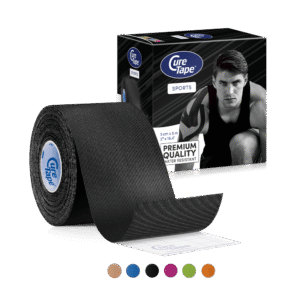
CureTape® Sports Extra Sticky Kinesiology Tape
 $19.50
Select options
This product has multiple variants. The options may be chosen on the product page
-
MYCureTape® – 3 Rolls Kinesiology Tape – Value Pack
Popular Choice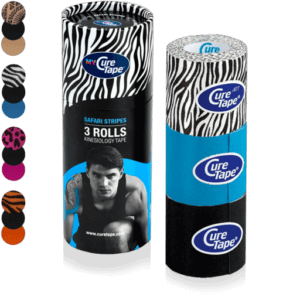 $28.95
Select options
This product has multiple variants. The options may be chosen on the product page
-
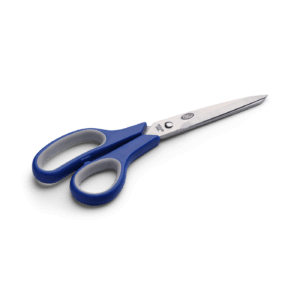
CureTape Soft Touch Scissor
 $19.95
Add to cart
-
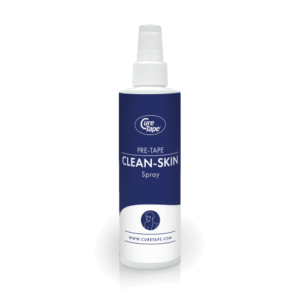
CureTape® Pre-Tape Spray
 $19.95
Add to cart

Christina’s advice when taping your ankle
When you’re taping your foot, it’s crucial to use a kinesiology tape that sticks securely. Feet can get sweaty, and with all the movement, there’s a lot of friction. That’s why I recommend using CureTape Sports. This type of tape is specially designed to be extra sticky, 30% more than regular CureTape, ensuring that your tape stays in place for longer!
Video: how to strap an ankle with kinesiology tape
Tips for effective ankle taping and strapping
- Make sure you understand what’s causing the pain or discomfort.
- Check if there are any reasons why taping might not be a good idea.
- Before you start, read the instructions carefully.
- Choose a tape colour or print that suits your style!
- Round off all the edges to prevent peeling.
- Avoid stretching the tape at the beginning and end.
- Rub the tape firmly for better adhesion; warmth helps activate the adhesive.
- You can shower or swim with the tape on; just pat it dry gently afterwards, avoiding vigorous rubbing.
- To remove the tape easily, use body or massage oil.
Preparation for strapping your ankle
Tape
Shape: I-Tape.
Number of strips: 2.
Technique: Correction technique (maximum/full stretch).
Measuring and cutting the tape
Step 1:

- Put the injured foot on a chair so that you can reach it easily. Avoid unnecessary strain.
- Measure the length of the tape, under the foot towards the inside and outside of the ankle.
How to strap an ankle step by step
Step 1:

Step 2:

Step 3:
Step 4:

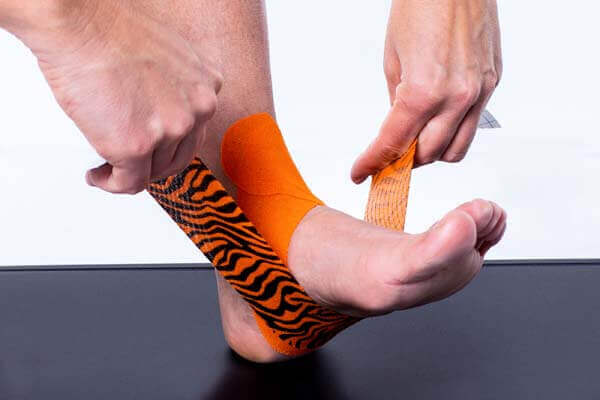
- Tear off the release paper in the middle of the tape, fold the paper away on both sides and apply the middle piece to the sole of the foot with maximum stretch. In doing so, you should stretch the foot as far as possible towards the body.
- With stretching, guide the tape in the same direction around both sides of the ankle. You create a stirrup along the inner and outer part of the ankle upwards.
- Apply the tape with a slight stretch across the ankle joint towards the outside of the foot.
- Apply both anchors (tape ends) without stretching.
- Gently rub the tapes to activate the adhesive layer.
Frequently asked questions about ankle strapping
How do you strap a sprained ankle?
First rest, elevate and ice the ankle for the first couple of days. Once the swelling goes down, strap the ankle with two I-strips of kinesiology tape: one stirrup from the sole of the foot up along both sides of the ankle, and one strip across the ankle joint. Follow the steps above. If the pain lasts longer than three days, see a physiotherapist.
Is it better to tape or strap an ankle?
Rigid strapping restricts movement and is usually applied just before a game or training session. Kinesiology tape supports the ankle while you keep moving, and can be worn for several days. Which option suits you best depends on your injury and activity, so ask a physiotherapist if you’re unsure.
How long can you leave ankle strapping on?
Kinesiology tape can usually stay on for several days, including while showering or swimming. Remove it earlier if your skin gets irritated or the tape starts to peel.
Can I strap my own ankle?
Yes. With the step-by-step instructions on this page you can strap your own ankle. Put your foot on a chair so you can reach it easily and avoid unnecessary strain.
When shouldn’t you strap your ankle?
Don’t tape or strap your ankle if you have open wounds, a broken bone, unexplained complaints, skin conditions or allergies, thrombosis or fever, if you’re pregnant or if you use blood thinners. Always tape in consultation with a specialist.
Learn how to tape
- 30 taping instructions for common injuries that taping can help you with
- 176 pages of clear written instructions
- 200 step-by-step instructions accompanied by photos, illustrations and scannable videos through QR codes
What are you waiting for? Order your copy today!
*This book is intended for people who want to tape an injury or complaint themselves. If uncertain about the complaint, consult a physiotherapist.


THYSOL is the manufacturer of the kinesiology tape brand CureTape. As CureTape, we have been training and supplying professionals for almost 25 years. And consumers now know how to find us too! By manufacturing all our tapes in our own factory, we can guarantee the best quality!
Please note that the indicated tape applications and information on our website about the possibilities with kinesiology tape have not yet been scientifically proven. The statements and examples mentioned are based on long-term experiences of patients and trained therapists.
Contraindications not to tape: pregnancy, open wounds, broken bones, unexplained complaints, allergies and skin diseases, use of medication such as blood thinners, thrombosis and fever. Always apply tape in consultation with a specialist.